
Earth's tectonic engine may have switched on 2.5 billion years ago
A chemical signature in ancient rocks suggests a major shift in Earth's crust formation around 2.5 billion years ago, signaling a transition towards modern plate tectonics.
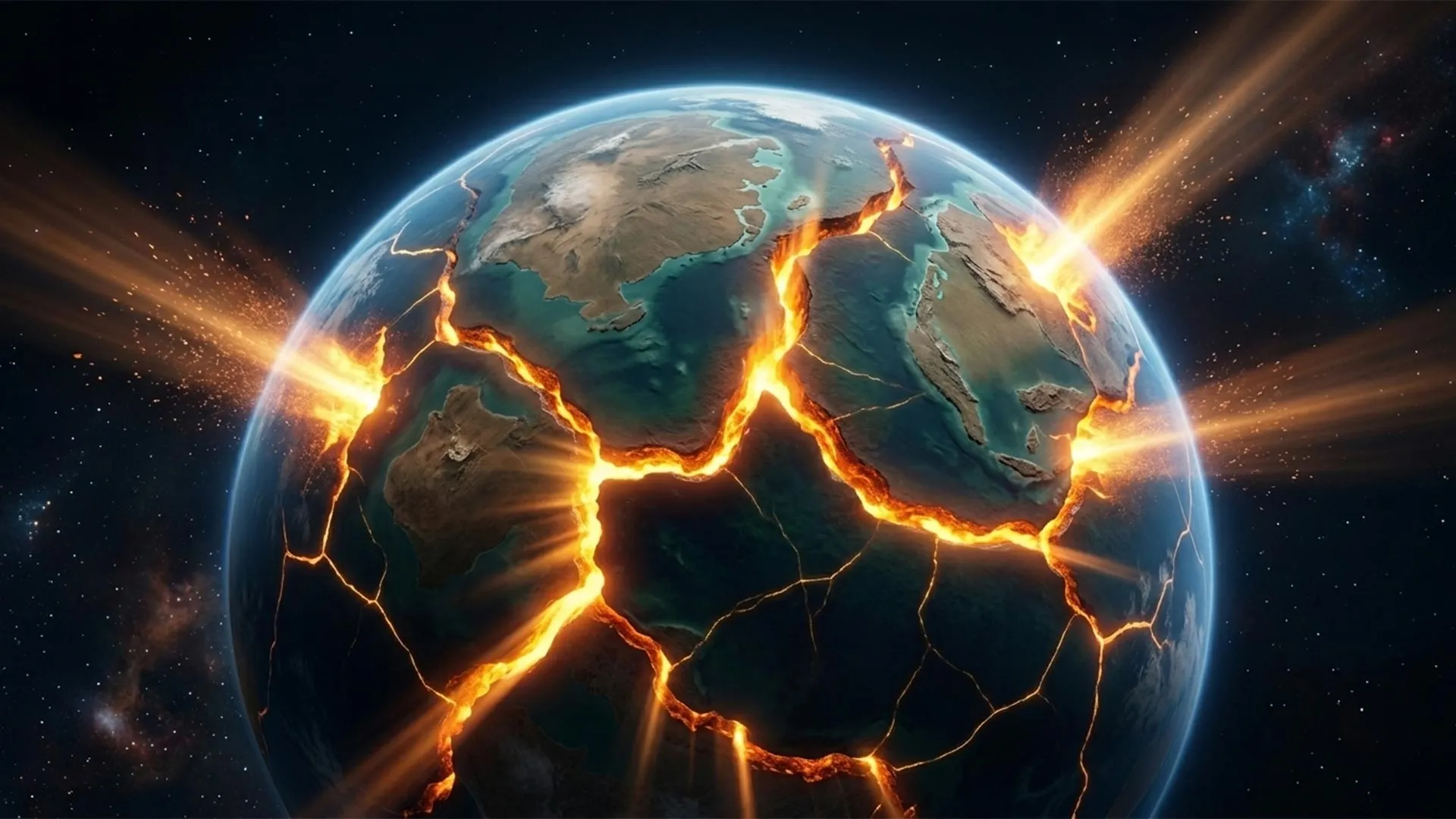
Scientists have identified a distinct chemical signature in ancient rocks that disappeared from the geological record approximately 2.5 billion years ago. This disappearance indicates a fundamental change in how Earth's crust was formed and transformed, marking a transition toward the modern system of plate tectonics.
The movement of tectonic plates plays a crucial role in reshaping continents and ocean basins and regulating the planet's climate and magnetic field. However, pinpointing when this system began has been challenging due to the recycling of crustal material.
Researchers found that this chemical fingerprint, derived from ancient crust formed about four billion years ago, was consistently present in rocks older than 2.5 billion years. Its subsequent absence suggests a shift from an early Earth where crust was reworked in place to a system capable of recycling crust on a larger scale, providing the clearest geological evidence yet for the onset of Earth's tectonic engine.
Source: ScienceDaily