Kurdish political hopes face setbacks in 2026
The year 2026 has seen significant political challenges for Kurdish communities across the Middle East, including the end of self-rule in Syria and increased pressure in Iraq.
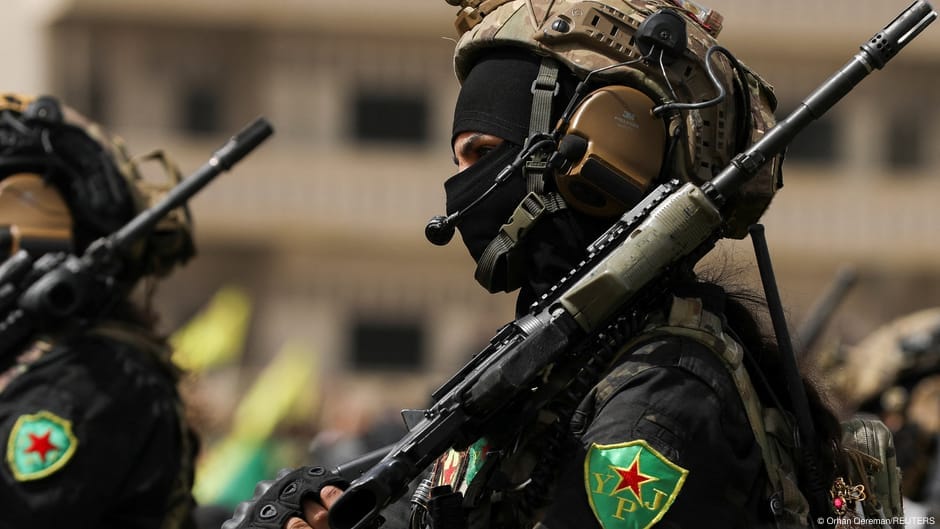
The year 2026 has presented considerable political setbacks for Kurds in their traditional regions. In Syria, the de facto self-rule system that emerged in 2012 during the civil war has concluded. The Syrian Democratic Forces (SDF) agreed to hand over territories and infrastructure to the central government in Damascus, with their fighters to be integrated into the Syrian armed forces.
This development marked the end of an independent political and military project for Kurdish autonomy in Syria. The United States, a former ally of the SDF in the fight against ISIS, has reportedly shifted its alignment towards the new central government. Experts suggest that while direct autonomy may be over, experiences in education and local structures could persist at a grassroots level.
In Iraq, Kurds are facing increased pressure from the central government in Baghdad, alongside ongoing internal disputes among leading Kurdish parties. Meanwhile, in Turkey, efforts to resolve the long-standing conflict with the Kurdistan Workers' Party (PKK) continue, though disarmament remains incomplete. The group is still designated as a terrorist organization by Turkey, the US, and the EU.
Source: Deutsche Welle