No elevated lead levels found in Iowa drinking water after controlled detonation
The EPA reported no elevated lead levels in drinking water following the controlled detonation of lead azide at an Iowa army plant.
The US Environmental Protection Agency (EPA) has stated that there are no indications of elevated lead levels in Iowa's drinking water after the controlled detonation of the nation's entire stockpile of lead azide. The chemical, used in explosives, was detonated on November 25 at the Iowa army ammunition plant in Middletown, Iowa.
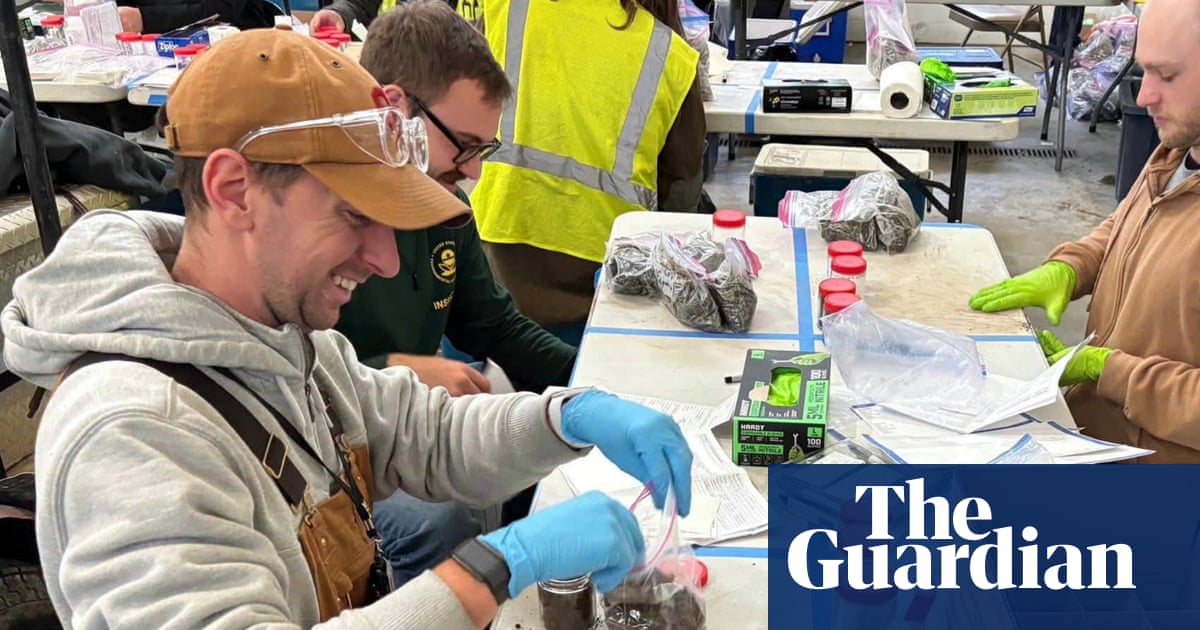
Initial lab results from post-detonation sampling showed no increase in lead in water bodies used for drinking water. The EPA sampled 38 water supplies, including finished treated drinking water and untreated water at the intake, finding no lead. Baseline samples were also taken from 35 drinking water sources across Iowa, Illinois, and Missouri prior to the detonation.
Air monitoring for airborne lead was also conducted for 30 hours after the detonation. Army officials stated the detonation was necessary due to the degraded material's risk of uncontrolled explosion as temperatures were expected to drop. Some experts, however, have cautioned that it is too early to definitively assess community safety.
Source: The Guardian