
Iran faces medicine shortages amid economic crisis
Pharmacies across Iran are facing significant shortages of essential medicines, impacting patients with chronic conditions and forcing some to seek drugs on the black market.
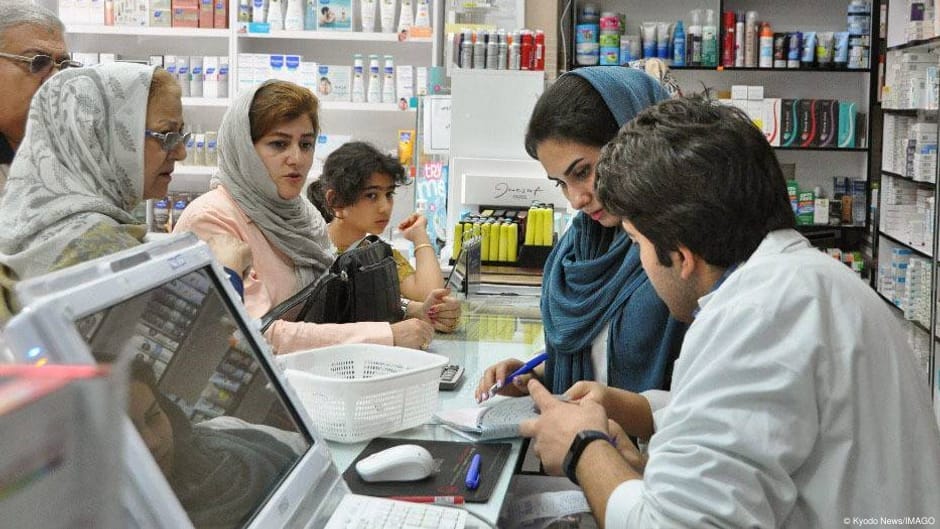
Medicine scarcity hits patients
Pharmacies throughout Iran are experiencing severe shortages of essential medications, creating difficulties for individuals requiring treatment for long-term illnesses. Residents in the capital, Tehran, have reported spending multiple days searching for crucial drugs such as insulin and antipsychotics. Some patients have resorted to rationing their medication or attempting to obtain supplies through unofficial channels.
The situation has led to patients like Ahmad, 67, spending days visiting numerous pharmacies in search of a single essential drug. Mitra, 37, who suffers from diabetes, described her struggle to find insulin, emphasizing that her life depends on regular access to the medication.
Economic factors behind shortages
An official from Iran's Food and Drug Administration indicated that the country's declining currency value and implemented price controls have reduced profitability for domestic drug manufacturers. This economic pressure, coupled with substantial outstanding debts owed by hospitals to drug distributors, has reportedly halted deliveries and discouraged companies from supplying medical facilities.
Pharmacy workers have also pointed to significant delays in insurance reimbursements, which can extend for months, while drug prices continue to escalate. Consequently, some pharmacies are reportedly discontinuing insurance contracts or refusing to stock more expensive insured medications. The shortages affect a broad spectrum of medicines, ranging from common remedies to critical treatments for conditions like cancer and psychiatric disorders.
Official responses and challenges
While an official from the Food and Drug Administration warned of a potential disaster if financial allocations are not made realistic and debts are not settled, a spokesman for the administration stated that fewer than 40 out of approximately 700 essential drugs faced supply issues. However, pharmacists on the ground have described considerable difficulties in obtaining medications.
A pharmacy manager in Tehran noted that insurance payments are frequently delayed for months, even as drug prices rise. In the Mahabad region, a pharmacist reported that distributors are demanding upfront cash payments for scarce items. Some pharmacies have stopped accepting insurance for costly medications due to these payment delays and shifting regulations.
The pharmacist in Mahabad stated that general pharmacies may be missing around 40 items, while larger specialized pharmacies can be short of over 100 critical drugs, including those for psychiatric conditions, Parkinson's disease, and insulin. Some essential medicines are reportedly no longer available through official supply chains at all. For chronic patients unable to secure regular supplies, the practice of using smaller doses to conserve medication has become a necessity.
Impact of sanctions and unofficial markets
Amid ongoing geopolitical tensions, some sources suggest that US sanctions, along with border disruptions and maritime blockades, are inflating import costs for medicines. The US State Department maintains that its sanctions comply with international law and include broad exceptions for essential goods like medicine, attributing resource allocation issues to Iran's "corrupt ruling elite." Iranian officials, however, reject this, arguing that various sanctions, including those on banking and shipping, impede imports.
The scarcity of medicines has also led to the emergence of unregulated street markets, often located outside clinics. These markets pose significant risks, as they may lack proper cold-chain controls and could be selling counterfeit drugs or medications with altered expiration dates. Some scarce medicines are reportedly being sold at prices up to ten times their official cost in these unofficial channels. Pharmacists express concerns that the lack of access to necessary medication can lead to patient deaths.
Source Reported by Deutsche Welle. Read the original report
Written by Wilayat News with AI assistance from the reporting above and our earlier stories. Report a mistake.
Pharmacies across Iran are experiencing significant shortages of essential medicines, leading to difficulties for patients seeking treatments for chronic conditions. Residents in Tehran have reported spending days searching for vital drugs like antipsychotics and insulin, with some patients resorting to rationing doses or seeking supplies on the black market.
An official from Iran's Food and Drug Administration cited the country's falling currency and price controls as reasons for reduced profits for domestic drug manufacturers. This, combined with substantial unpaid debts from hospitals to distributors, has reportedly halted deliveries and discouraged companies from supplying medical facilities.
Pharmacy workers have also highlighted issues with delayed insurance payments, which can stretch for months, while drug prices continue to rise. Some pharmacies are reportedly dropping insurance contracts or refusing to stock expensive insured medications. The shortages affect a wide range of drugs, from common cold remedies to critical treatments for cancer and psychiatric conditions, with some patients turning to unregulated street markets for medication.
Source: Deutsche Welle


