
US permitting reform bill sparks debate over climate impact
A proposed US bill aims to streamline energy project approvals, but faces division among Democrats over its potential impact on both clean energy and fossil fuels.
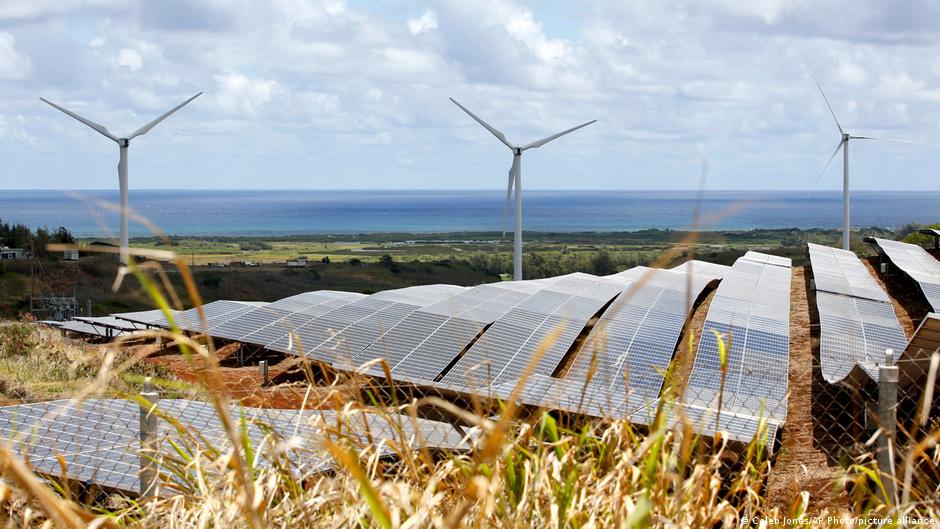
A proposed bill in the United States, the Bipartisan American Affordability and Jobs Act, seeks to accelerate the process for approving energy projects. Supporters claim it will boost clean energy development and reduce utility costs, while critics argue it could benefit fossil fuel industries.
The legislation, which has passed the Senate and awaits a House vote, aims to simplify environmental reviews, expedite the construction of power transmission lines, and make permits more resilient to legal challenges. It also requires data centers to fund necessary grid upgrades.
The bill's technology-neutral approach means it could speed up approvals for both renewable energy projects and fossil fuel extraction. This has led to controversy, with some Democrats supporting certain provisions, such as transmission line expansion, but opposing the overall package.
Estimates on the bill's environmental impact vary. One research firm suggests it could lower US greenhouse gas emissions by up to 4% by 2040, while another analysis projects a 2% increase in domestic emissions, primarily due to anticipated growth in fossil fuel production.
Source: Deutsche Welle