
Protein identified as brake on nerve regeneration
Mount Sinai scientists have discovered a protein that acts as a molecular brake, hindering the regeneration of damaged nerve fibers. Blocking this protein improved recovery in injured mice.
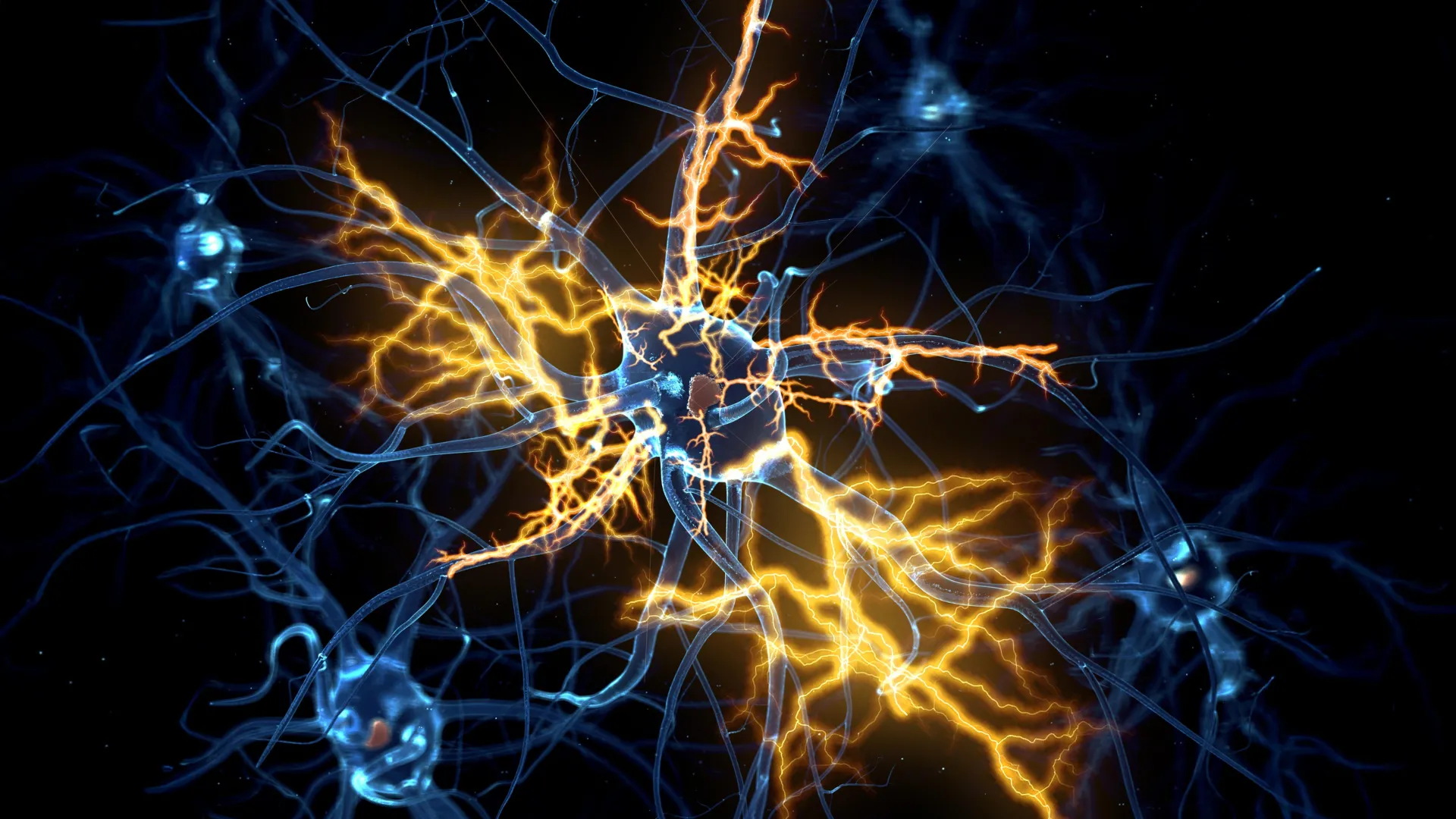
Researchers at the Icahn School of Medicine at Mount Sinai have identified a protein that appears to restrict the ability of damaged nerve fibers to regenerate. The protein, known as the aryl hydrocarbon receptor (AHR), acts as a molecular brake, shifting injured neurons towards managing stress rather than rebuilding connections.
Experiments in mice showed that blocking AHR activity led to more effective regeneration of damaged nerve fibers. This suppression of AHR also improved the recovery of both movement and sensation in mice with spinal cord or peripheral nerve injuries.
The findings suggest that while AHR helps nerve cells withstand the stress of injury by maintaining proteostasis, it limits the production of proteins necessary for axon repair. Inhibiting AHR appears to redirect cellular priorities towards nerve fiber growth.
Source: ScienceDaily